Highlands Ranch vs Littleton for Your Next Move-Up Home
April 2, 2026
April 2, 2026
If you are moving up in the south metro, choosing between Highlands Ranch and Littleton can feel like a tradeoff between convenience, character, and day-to-day lifestyle. You may be looking for more space, a better fit for your next stage, or a home that aligns with how you actually live now. This guide will help you compare both areas through the lens of a move-up buyer so you can narrow your search with more confidence. Let’s dive in.
For many move-up buyers, the biggest difference comes down to planned suburban consistency versus mixed neighborhood variety.
Highlands Ranch is a master-planned community that began receiving residents in 1981 and is now nearly built out, according to the Highlands Ranch Community Association. It offers a broad range of homes, from starter properties to custom homes, with a community structure centered around HRCA and Metro District services.
Littleton, by contrast, is a more established city with a wider mix of housing ages and types. A city housing overview found that 53.5% of homes were built before 1980, and city planning materials discuss single-family homes, duplexes, townhomes, and multifamily options, which gives buyers a more varied housing landscape.
If price is part of your move-up strategy, both markets deserve a close look. Citywide numbers show Highlands Ranch at a higher median sale price than Littleton, but local neighborhood differences can still be significant.
According to Redfin’s Highlands Ranch housing market data, the February 2026 median sale price in Highlands Ranch was about $676,250. In Littleton, Redfin reports a median sale price of about $615,000, while Zillow’s Littleton home value data places the average home value near $630,890.
For you as a move-up buyer, that can mean Littleton may offer a lower citywide entry point while Highlands Ranch may justify its premium through amenity access, subdivision consistency, and newer-era suburban planning. Still, the right comparison is rarely city versus city alone. It is usually neighborhood, lot, floor plan, and location within each market.
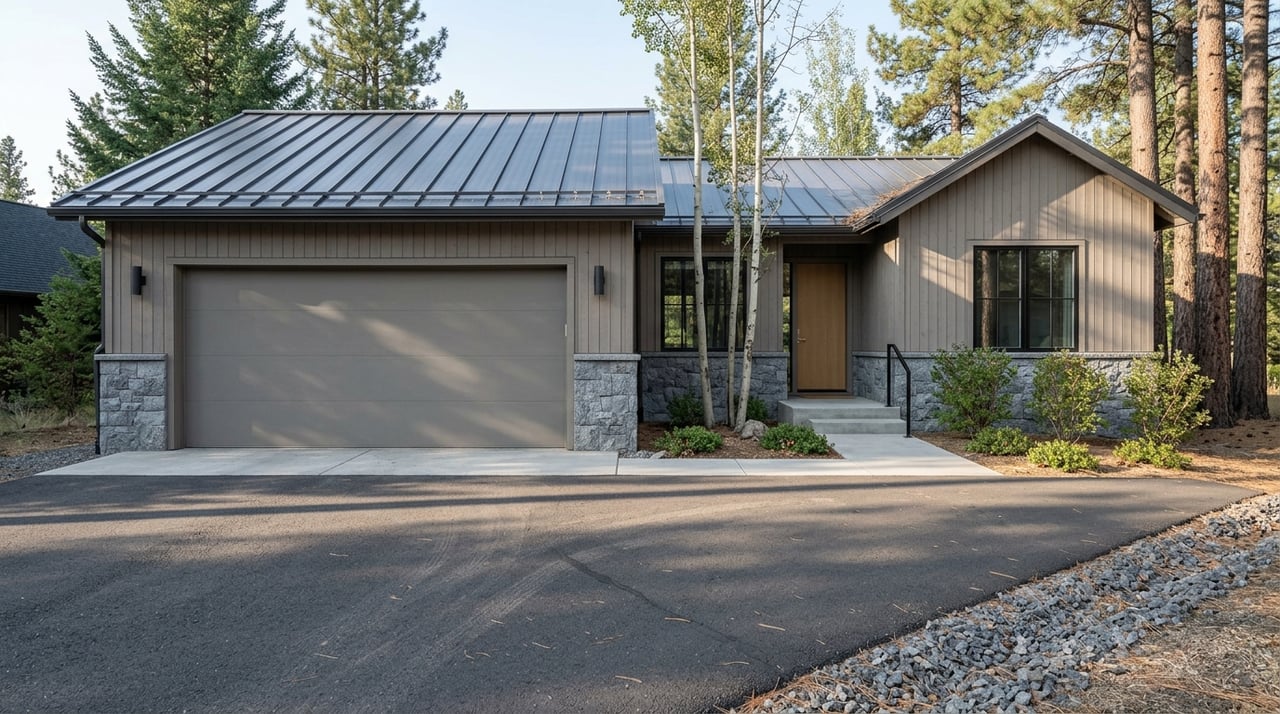
If you want a neighborhood experience that feels cohesive and predictable, Highlands Ranch often stands out. Because it is a master-planned community, you are more likely to see subdivision-based layouts, more uniform home patterns, and a consistent suburban feel across large sections of the area.
That can appeal to buyers who want a smoother transition into a larger home without taking on as much uncertainty around block-by-block variation. If you value knowing what the broader community structure looks like before you buy, Highlands Ranch has a strong case.
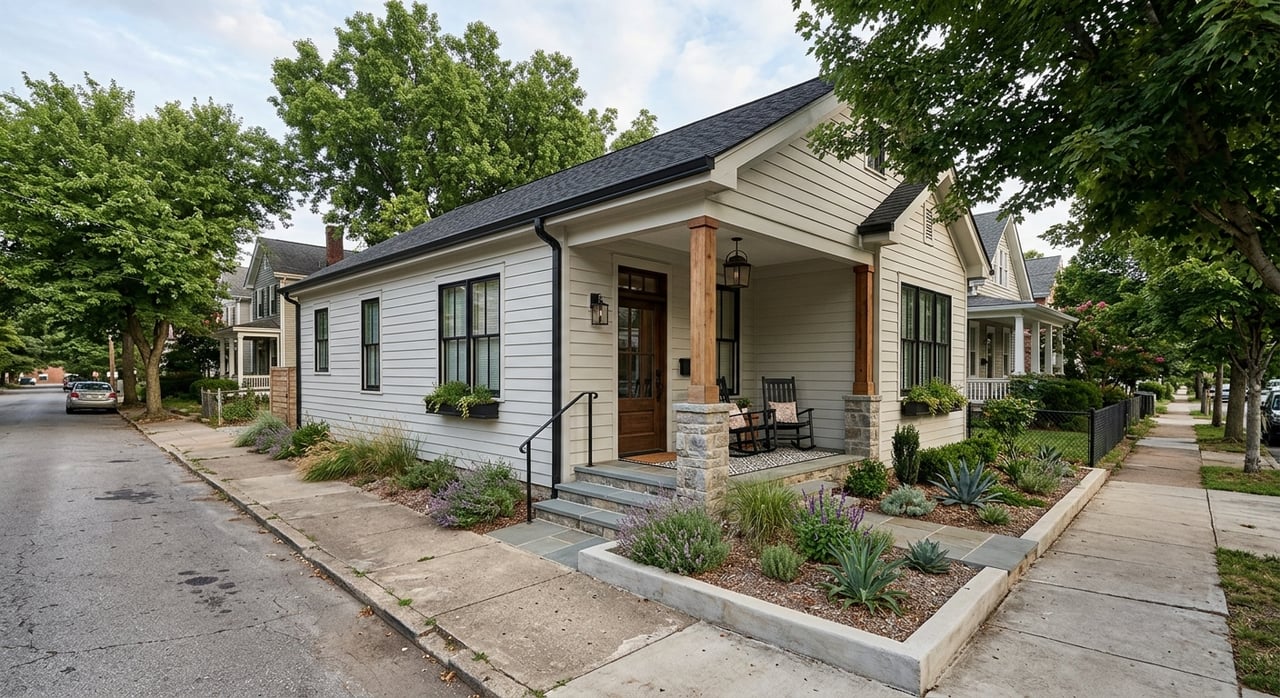
Littleton tends to appeal to buyers who want choices across different housing eras and neighborhood settings. You may find older detached homes, attached housing, and newer infill or transit-oriented projects, depending on where you focus.
That broader housing fabric can be a real advantage if you care more about character, location, or flexibility than uniformity. It also means your search may require a bit more neighborhood-level analysis, because lot sizes, home styles, and street patterns can vary more from one area to another.
Lifestyle often becomes more important when you move up, especially if you are not just buying more square footage but trying to improve your everyday routine.
Highlands Ranch is the stronger option if you want a community with a built-in amenity system. The Highlands Ranch Metro District says it manages 2,644 acres of open space and more than 70 miles of trails, while HRCA highlights more than 2,000 acres of open space, 26 parks, four recreation centers, golf courses, dog parks, skate parks, pickleball, tennis, and more.
The trail system is designed to connect neighborhoods and support both recreation and transportation. For buyers who want amenities integrated into daily life, Highlands Ranch offers a more contained suburban model.
Littleton takes a different approach. The city says it has more than 1,400 acres of parks and open space and more than 200 miles of trails, with many parks maintained through South Suburban Parks and Recreation.
Littleton also highlights the Platte River corridor and the Mary Carter Greenway, which the city says runs 9.8 paved miles. If you want access to a broader public trail network, regional recreation, and proximity to a historic downtown setting, Littleton may feel like a better fit.
If school assignment matters to your move, it is smart to verify details early rather than rely on neighborhood assumptions.
Highlands Ranch is in Douglas County School District. According to the district’s 2025 annual report, DCSD serves about 61,000 students and approved Highlands Ranch elementary consolidations beginning in the 2026–27 school year, along with some 6th-grade moves to middle school and minor boundary adjustments.
HRCA currently describes the broader community as having 19 elementary schools, four middle schools, and five high schools. That creates a dense school network, but because boundaries are actively changing, you should confirm assignment by exact address before making a decision.
Littleton Public Schools serves a roughly 28-square-mile area and provides an address-based school boundary and bus route locator tool. The district also notes that open enrollment runs from October 1 through November 15, with first-come, first-served processing after that.
For move-up buyers who want a more transparent process around school lookup and enrollment timing, Littleton offers a clear framework. That does not remove the need to verify details, but it can make planning easier if school logistics are a key part of your search.
The best move-up home should fit your daily rhythm, not just your wish list.
Highlands Ranch is described by HRCA as offering convenient access to downtown Denver, the Denver Tech Center, Park Meadows, and other major destinations. At the same time, Redfin rates Highlands Ranch as car-dependent, with a Walk Score of 28 and a Bike Score of 49.
If your work, school, and errands are mostly south metro oriented, that setup may suit you well. For many households, Highlands Ranch works best when driving is already a normal part of the day.
Littleton has more direct rail access to Denver, and city materials note two light rail stations on the Southwest rail line. Redfin’s location data for Littleton gives the city a Walk Score of 40 and a Transit Score of 29, which is still suburban but more transit-oriented than Highlands Ranch.
That can matter if you want easier connections to central Denver or a lifestyle with more transportation options. If commuting flexibility is part of your move-up plan, Littleton may deserve extra attention.
For many buyers, the simplest rule is this: choose Highlands Ranch if you want suburban consistency and amenity density, and choose Littleton if you want character, transit access, and a broader mix of housing options.
When you tour homes in both areas, try to compare more than bedrooms and price. Your better long-term choice often comes from matching the area to your routine.
Ask yourself:
A thoughtful move-up purchase is usually about fit as much as features. The right answer depends on how you want your next home to support your lifestyle over the next several years.
If you are weighing Highlands Ranch against Littleton and want local guidance tailored to your goals, Freadhoff Home Group can help you compare neighborhoods, timing, and property options with a clear strategy.
Stay up to date on the latest real estate trends.