Living in Pine Colorado: Quiet Foothills Lifestyle off 285
April 16, 2026
April 16, 2026
If you are looking for a quieter foothills lifestyle without straying too far from the HWY 285 corridor, Pine deserves a closer look. This unincorporated Jefferson County community offers a more rural, small-scale setting than many Denver-area suburbs, with easy access to trails, fishing, and open space. If you want to understand what daily life in Pine really feels like, this guide will walk you through the setting, housing patterns, recreation, and tradeoffs that shape the area. Let’s dive in.
Pine is an unincorporated mountain community in Jefferson County along the 285 corridor. According to Jefferson County’s community overview, Pine is one of the county’s foothills communities, and US 285 serves as the main access route for much of the surrounding area.
That location gives Pine a distinct feel. Colorado.com’s Pine overview describes it as a foothills community southwest of Denver, reached by a winding canyon off US 285. In everyday terms, that means you get a mountain setting with corridor access, rather than a fully remote location.
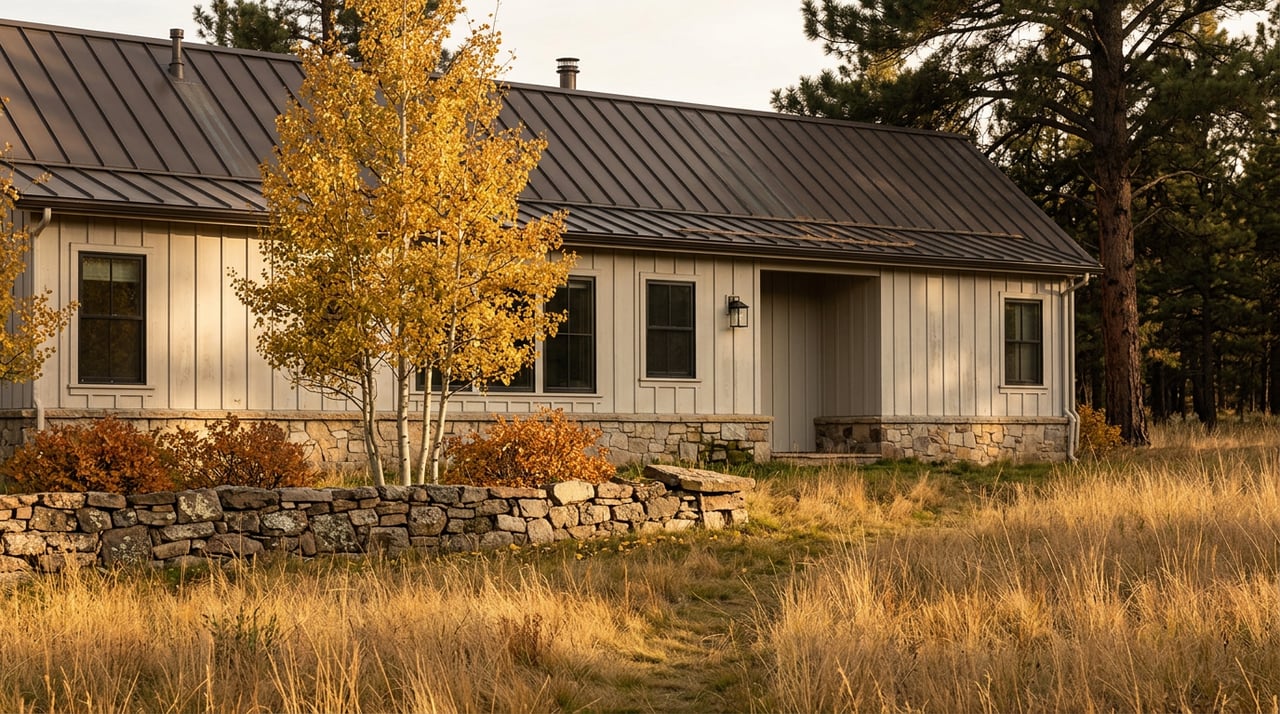
Pine feels more historic and tucked away than suburban. Colorado.com notes that Pine’s rustic downtown reflects an earlier era, while nearby Conifer, Bailey, and Evergreen provide a broader range of shopping, dining, and lodging.
For many buyers, that is a major part of the appeal. Pine tends to function as a quieter residential pocket within the larger foothills corridor, with less commercial intensity and more emphasis on space, scenery, and a slower pace.
One of Pine’s biggest lifestyle advantages is how close you are to recreation. Pine Valley Ranch Park is a key local amenity, with Pine Lake offering seasonal fishing, winter skating, and a warm-weather fishing pier.
The park also connects well to the broader trail network. Jefferson County says Buck Gulch Trail links Pine Valley Ranch Park to the Buffalo Creek Recreation Area and Pike National Forest, which creates a strong connection between local open space and bigger backcountry access.
For hikers, bikers, and trail users, the nearby Buffalo Creek area is a major draw. The U.S. Forest Service says Buffalo Creek Recreation Area includes more than 50 miles of year-round, nonmotorized multi-use trails tied into the Colorado Trail.
That kind of access shapes the lifestyle here. The Forest Service also notes that conditions can change with snow and mud in winter, so year-round recreation is possible, but mountain weather and surface conditions still matter.
Water is another part of Pine’s identity. Colorado.com highlights fly-fishing along stretches of the South Platte River as a favorite local pastime, and the Forest Service’s South Platte corridor information reinforces how closely the area is tied to trail and outdoor access.
Nearby stretches of the South Platte River near Deckers have long been popular for fishing, kayaking, and trail use. If your ideal home base includes easy access to outdoor recreation instead of suburban amenities around every corner, Pine stands out.
If you are coming from Denver or the suburbs, Pine’s housing pattern may feel very different. The Conifer/285 Corridor Area Plan is clear that this area is meant to preserve rural mountain character rather than shift toward smaller suburban-style lots.
That planning approach helps explain why Pine often appeals to buyers who want privacy, land, and a more open setting. In many parts of the corridor, the goal is for lot sizes to stay the same or even increase over time, not shrink.
The area plan outlines several low-density land-use patterns. The acreage sizes are diverse and range from less than a quarter of an acre to over a 100 acres and everywhere in between.
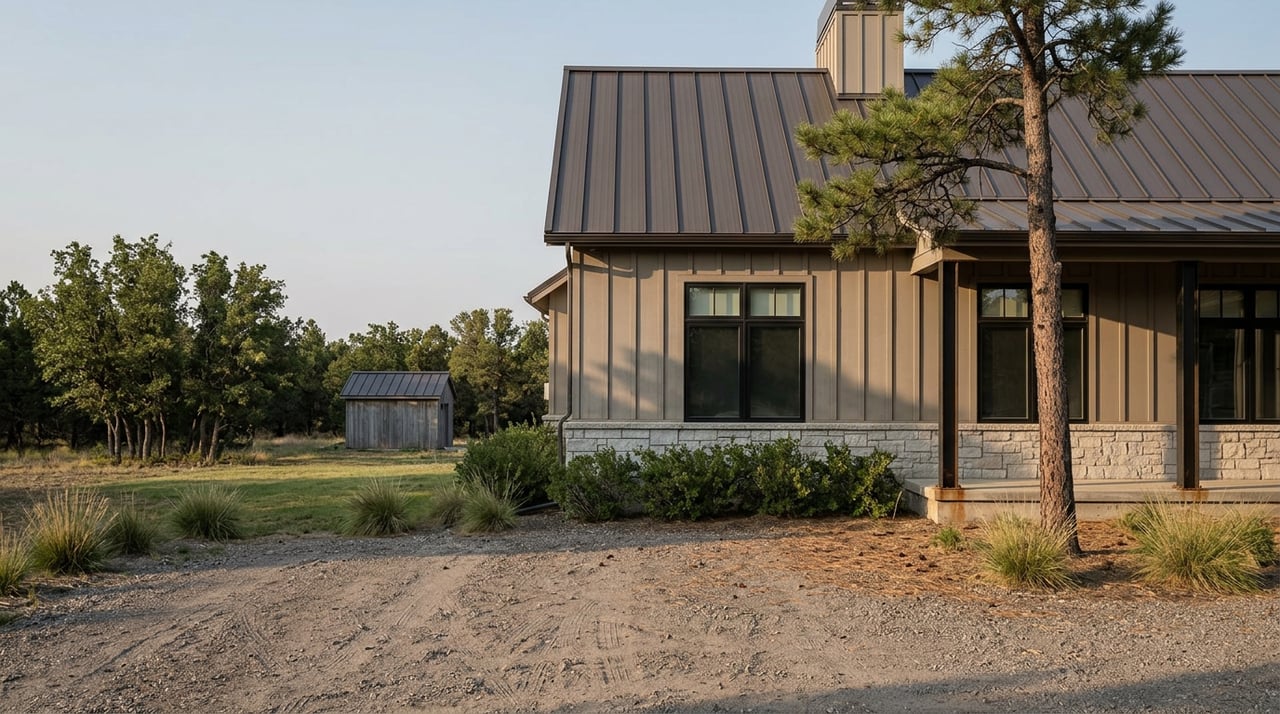
Some properties back to national forest. This tells you a lot about what Pine is and is not. It is generally a place built around low-density living, not rapid suburban expansion.
The same plan notes that parcels with homes built before current density recommendations may continue to be used and expanded, but those parcels generally should not be subdivided. For buyers and owners, that supports the area’s long-term low-density character.
In practical terms, Pine often attracts people who value breathing room and long views more than close-set neighborhoods. That preserved pattern is part of what gives the area its quiet foothills identity.
If you are considering a larger parcel in Pine, land and utility details matter. The corridor plan discusses residential wells and notes that parcels under 35 acres are generally limited to in-house use only, while parcels of 35 acres or more may have different domestic well and livestock watering considerations.
That does not make acreage living harder, but it does make due diligence more important. Well, septic, access, and parcel-specific conditions are part of the normal conversation in foothills property searches and sales.
While Pine is quiet overall, the area plan identifies Pine Junction as a mixed-use activity center. That means it is the part of the corridor where residential, retail, office, community, and light industrial uses can coexist more closely.
This matters because Pine is not entirely isolated, but it is also not built like a suburb. Larger 1-to-5-acre lots are considered more appropriate at the edge of that center, while the broader area remains oriented toward rural character.
Every foothills community has a tradeoff, and Pine is no exception. Jefferson County’s planning documents emphasize preserving open space, scenic roads, trail access, and rural heritage while limiting more intensive strip-style development along US 285.
That helps explain why Pine feels less commercial than many Front Range communities. It also explains why many of your day-to-day shopping and dining options may be found in nearby Conifer, Bailey, or Evergreen rather than in Pine itself.
For the right buyer, that balance feels like a benefit, not a drawback. If you prefer privacy, scenery, and recreation over constant retail convenience, Pine can be a strong fit.
Like many foothills and mountain communities, Pine comes with real environmental considerations. Jefferson County’s forest management resources note that foothills forests face wildfire risk, mountain pine beetle impacts, and precipitation stress.
The corridor plan also identifies severe wildfire hazard areas and notes that forest management planning may be required in some rezoning situations. For homeowners, that means wildfire awareness is part of responsible ownership, not an occasional afterthought.
Pine is quiet, but it still has a community layer. PECIA’s Pine Grove Day event page describes an end-of-summer festival with a vendor fair, live music, food trucks, and pies, and it notes that the Pine Community Center occupies the second-oldest church building in Jefferson County.
Events like that help show that Pine is not just a collection of scattered homes in the woods. It is a place with local identity, history, and recurring community traditions that help residents stay connected.
Pine tends to make the most sense for buyers who want more land, more privacy, and easier access to trails, fishing, and open space. It can also appeal to sellers whose properties offer those same qualities and need an agent who understands how to present mountain lifestyle value clearly.
At the same time, Pine usually works best if you are comfortable with mountain-road travel, longer drives for some errands, and the practical details that can come with wells, septic systems, and wildfire-aware ownership. Understanding that balance is key to making a smart move.
Buying or selling in Pine is not quite the same as making a move in a typical suburban neighborhood. Property value here is often shaped by access, acreage, trail proximity, utility setup, privacy, and the overall feel of the land.
That is where local foothills knowledge matters. Whether you are evaluating a home site, comparing larger parcels, or preparing a property for market, working with a team that understands mountain-specific details can help you move forward with more clarity and confidence.
If you are thinking about buying or selling in Pine, the Freadhoff Home Group can help you navigate the foothills market with thoughtful guidance, strong local insight, and a client-first approach.
Stay up to date on the latest real estate trends.