Top Lakewood Neighborhoods for Denver and DTC Commuters
May 21, 2026
May 21, 2026
If you want to live in Lakewood and still keep your commute manageable, the neighborhood you choose matters as much as the home itself. Some parts of Lakewood make it easier to reach downtown Denver by rail, while others are a better fit if you plan to drive to the Denver Tech Center. This guide will help you compare the best Lakewood neighborhoods for Denver and DTC commuters so you can focus on the right trade-offs for your lifestyle, budget, and daily routine. Let’s dive in.
Lakewood sits just west of Denver and has strong regional access through I-70, C-470, and U.S. 6. The city is also served by RTD bus routes and the W Line, which runs between Union Station and Jefferson County Government Center-Golden through Denver, Lakewood, and Golden.
That transit setup creates an important difference for buyers. Lakewood is generally a stronger choice for commuting into downtown Denver than for direct rail access to the Denver Tech Center. If you work in DTC, your plan will usually center more on driving or a transfer-based transit routine.
That does not make Lakewood a poor fit for DTC commuters. It just means you should choose your neighborhood based on the kind of commute you actually want, whether that is walk-to-rail convenience, easy highway access, or a balance between the two.
For many buyers, Green Mountain offers the most balanced mix of lifestyle and commute practicality. It gives you a foothills feel inside Lakewood, with quick access to open space and a more established residential setting.
Lakewood notes that the city has 240 miles of trails, and William F. Hayden Park on Green Mountain covers more than 2,400 acres. Green Mountain itself is a prominent mesa on the west side of the city, which helps explain why this area feels more connected to outdoor recreation than many other parts of town.
Green Mountain is a strong fit if you are not relying on rail alone. The W Line’s Federal Center Station and Lakewood-Wadsworth Station are the main rail options nearby, and Federal Center also connects to multiple bus routes and a FlexRide route.
For downtown Denver commuters, that means you can often combine driving or biking with rail access. For DTC commuters, Green Mountain usually makes more sense as a highway-based location than a rail-first one.
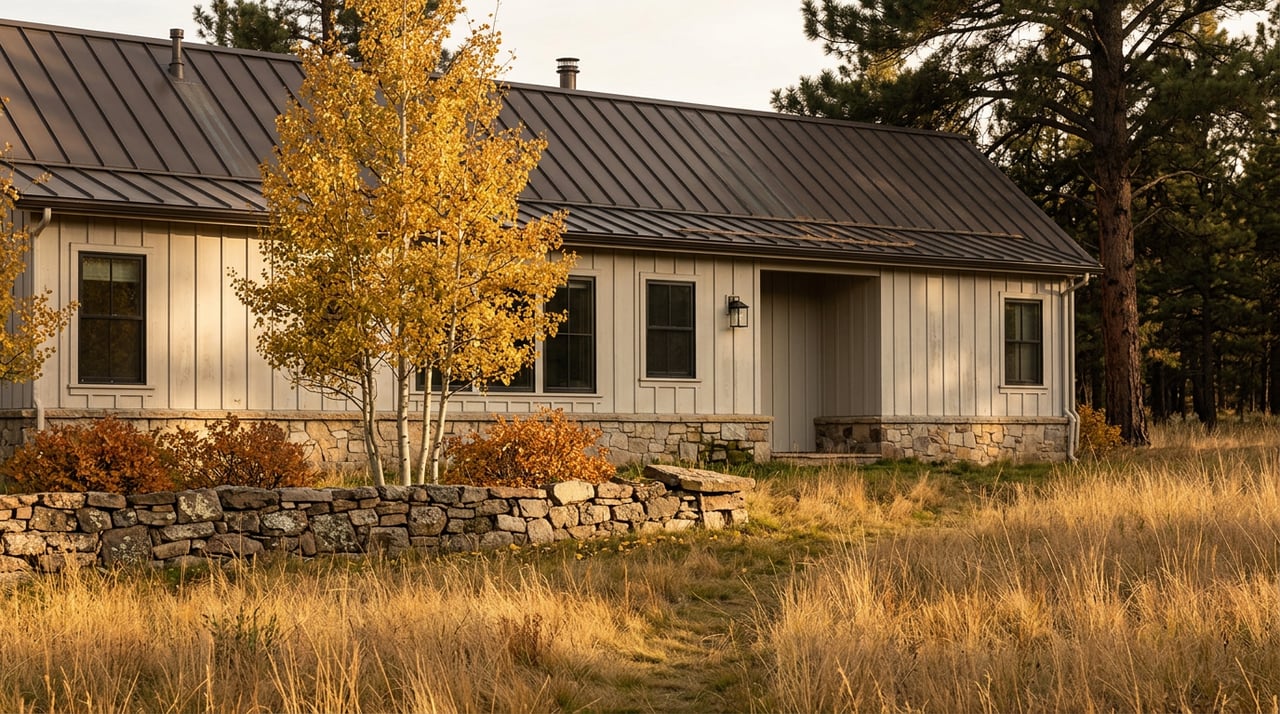
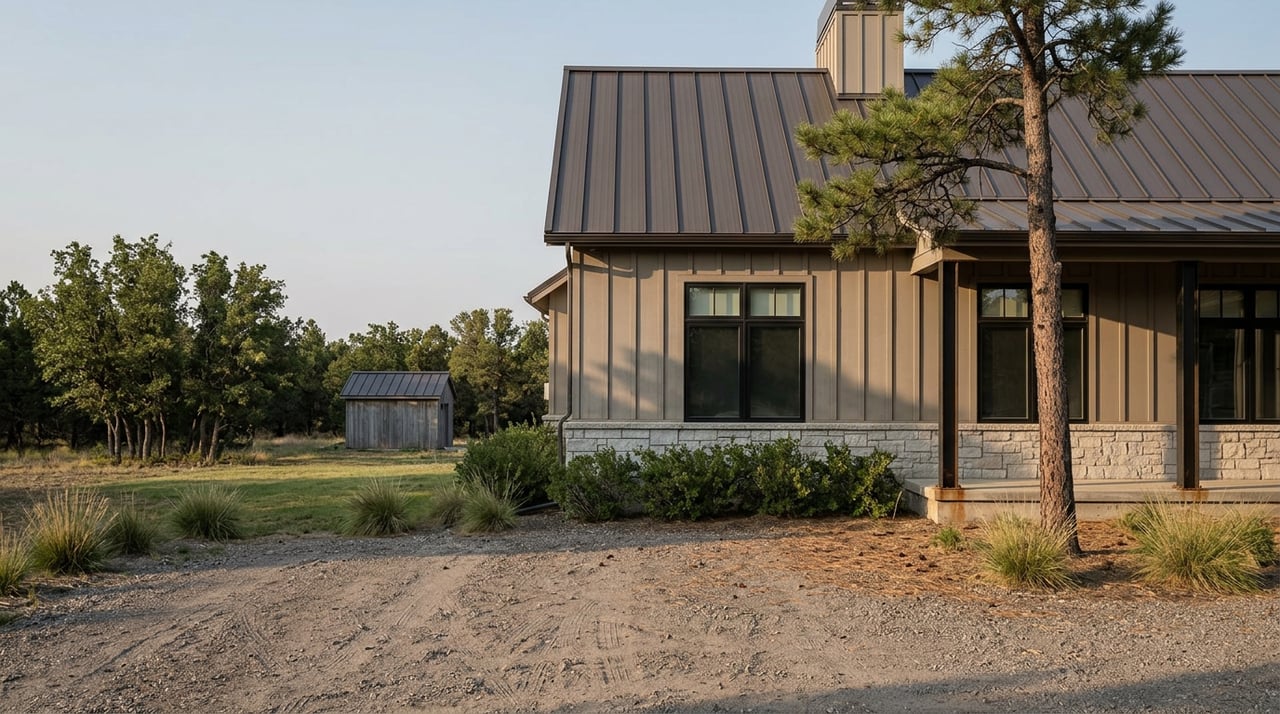
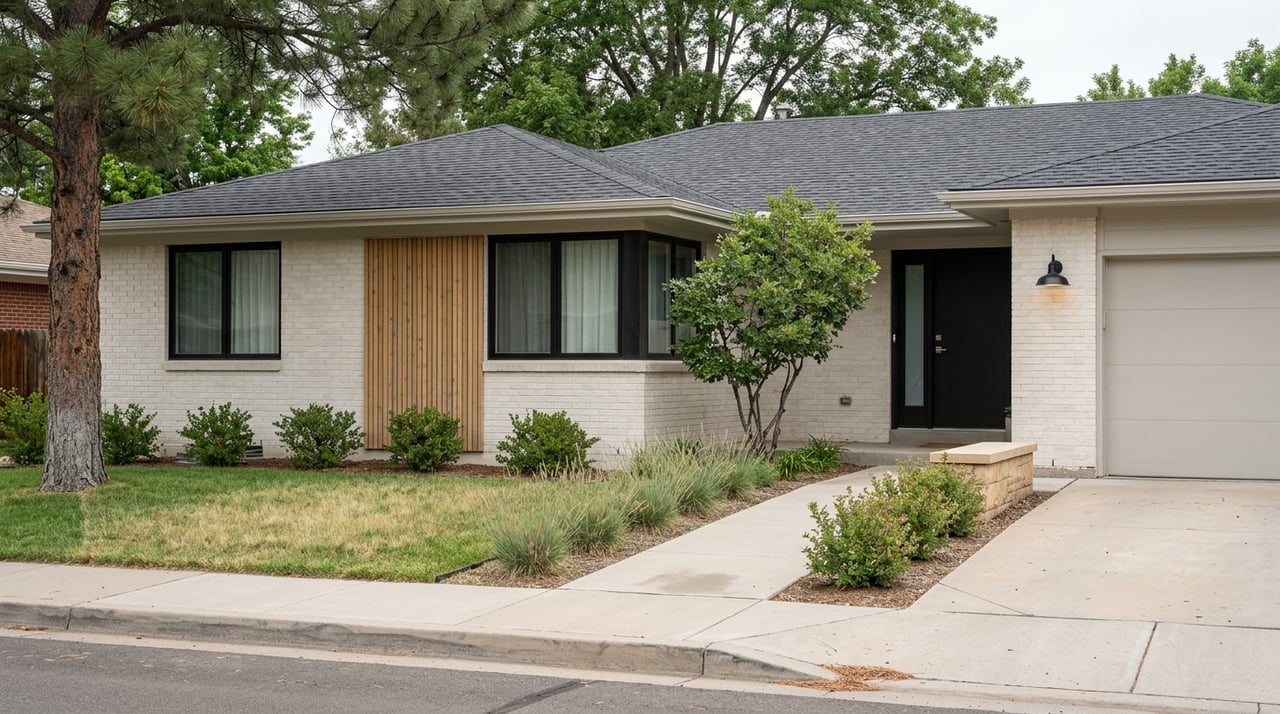
The housing stock in Green Mountain is mostly established single-family homes, with many mid-century and later builds. You will often find brick ranches, updated homes on larger lots, mature trees, and a range that spans more modest homes to larger move-up properties.
Zillow places Green Mountain Village around $652,091. That makes Green Mountain less about being the cheapest option and more about buying into a lifestyle that blends outdoor access with a practical west-metro location.
If you want to be close to shopping, dining, services, and everyday errands, Belmar-adjacent neighborhoods deserve a close look. Belmar is considered Lakewood’s downtown and includes a large mixed-use district with residential, office, retail, dining, and entertainment uses.
The city says the district spans 22 blocks and more than 1 million square feet, with over 1,300 residential units and more than 80 shops and restaurants. Right next door, Belmar Park adds 132 acres of open space, nearly two miles of paved trails, water features, and the Heritage Lakewood museum campus.
This part of Lakewood is one of the easiest places to live if you want to stay central. The W Line corridor through Lakewood includes stations such as Lakewood-Wadsworth, Oak, Lamar, Garrison, and Federal Center, and RTD bus service also supports mobility around the area.
For downtown Denver commuters, that central location can be very appealing. For DTC commuters, though, the same rule still applies: the commute benefit here is more about road access and central positioning than direct rail service to DTC.
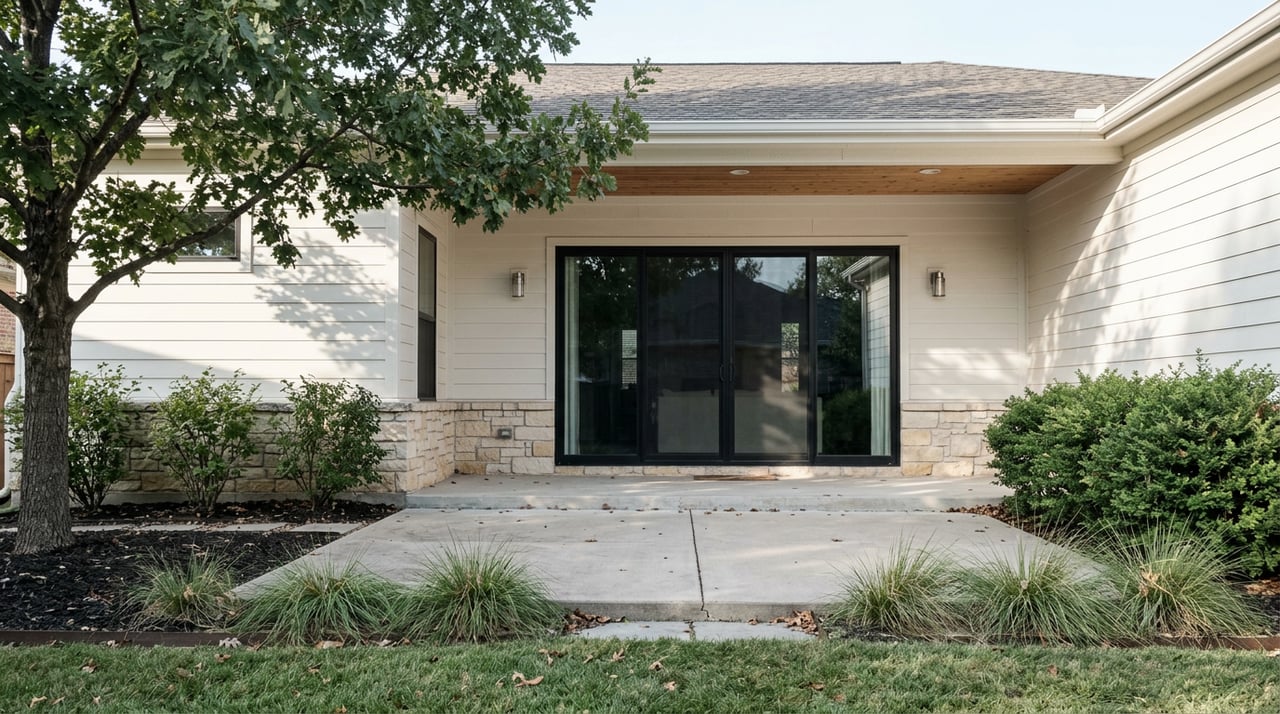
Belmar-adjacent neighborhoods tend to offer a more varied housing mix than Green Mountain. You will see many older ranch-style homes, updated mid-century properties, and some townhome or condo-style options closer to Belmar Park and the core district.
Belmar Gardens is a useful price reference, with Zillow placing it around $665,457. Recent examples in the area include 1950s and 1960s homes on larger lots as well as some townhome options at lower price points, which can give buyers more flexibility in central Lakewood.
If your top priority is strong rail access and a more urban setting, West Colfax stands out. The city describes West Colfax as one of Lakewood’s most vital and historic corridors, and the nearby 40 West Arts area is a state-certified creative district.
This area is also planned for higher-density, mixed-use, transit-oriented development around station areas. In simple terms, West Colfax is the clearest fit if you want a neighborhood where transit plays a leading role in daily life.
Oak Station on the W Line sits at Oak and Colfax, and Route 16 serves the West Colfax bus corridor. That gives this area one of the clearest walk-to-rail stories in Lakewood.
For buyers commuting to downtown Denver, West Colfax is often the easiest neighborhood cluster to put at the top of the list. For DTC commuters, it can still work, but most people will need to drive or use a transfer-based transit plan rather than expect a simple direct rail trip.
West Colfax is not just transit-oriented. It is also in transition. The city says major infrastructure projects are underway along West Colfax and will continue into 2026, with a focus on reinvestment and safety improvements.
That can be a positive if you like the idea of an evolving corridor with strong connectivity. It can also mean a more active, construction-heavy feel than you may find in Green Mountain or the more established residential pockets near Belmar.
Housing in West Colfax is mixed, both in age and style. You may see older bungalows, ranches, duplexes, and newer or infill homes in the same general area.
Zillow places West Colfax around $634,188. In practical terms, that often means you can find a broader spread of housing choices and, in some cases, a more approachable entry point than in some of Lakewood’s more amenity-rich central areas.
The right answer depends on what matters most when your workday starts and ends. A neighborhood that feels perfect on a Saturday afternoon may not be the best match if your weekday routine depends on rail access or a faster drive.
Here is the simplest way to think about the top options:
| Neighborhood | Best For | Commute Strength | Housing Feel |
|---|---|---|---|
| Green Mountain | Buyers who want outdoor access and a balanced location | Good for downtown with drive-or-bike-to-rail options; DTC is usually road-based | Established single-family homes, larger lots, mature trees |
| Belmar-adjacent | Buyers who want central convenience and an active Lakewood setting | Strong central access for downtown trips; DTC still mostly road-based | Older ranches, updated mid-century homes, some townhomes and condos |
| West Colfax | Buyers who want the strongest transit-first setup | Best rail story for downtown Denver; DTC often requires driving or transfers | Mixed housing types, older homes, duplexes, and newer infill |
Lakewood’s broader market remains relatively active, with Zillow estimating the city around $573,913 and homes going pending in about 21 days in the March 2026 data cut. Neighborhood prices vary, but the bigger takeaway is that price alone should not drive your search if commuting is a major part of your week.
A lower price point may not feel like a win if your daily drive becomes frustrating. On the other hand, paying a bit more for a neighborhood that aligns with your schedule, transportation style, and preferred lifestyle can improve how your home works for you every day.
As you compare Lakewood neighborhoods, start with your real routine rather than your ideal one. Think about how often you go into downtown Denver, how often you need to reach DTC, and whether you are comfortable driving to a station, using a bus connection, or relying mostly on your car.
Then layer in the lifestyle factors that matter most to you. You may want trail access and a foothills setting, a central location near shops and services, or a more urban environment with the strongest rail connection in Lakewood.
When you line up commute style, housing stock, and neighborhood feel together, your shortlist usually becomes much clearer.
If you are weighing Lakewood against other west-metro or foothills-adjacent options, the right guidance can save you time and help you focus on the neighborhoods that truly match your day-to-day life. When you are ready to explore your move, connect with Freadhoff Home Group for thoughtful, local guidance tailored to your goals.
Stay up to date on the latest real estate trends.