Relocating to Conifer CO: What Everyday Life Is Like
Troy Nicholson January 1, 2026
Troy Nicholson January 1, 2026
Thinking about trading city noise for pine-scented mornings and starry skies? Conifer delivers a true foothills lifestyle with room to roam and easy access to the Denver metro area. At the same time, high-altitude living and mountain infrastructure require a bit more planning than a typical suburban move. In this guide, you’ll get a realistic picture of daily life, from US‑285 commutes to utilities, wildfire readiness, and the features you’ll find in local homes. Let’s dive in.
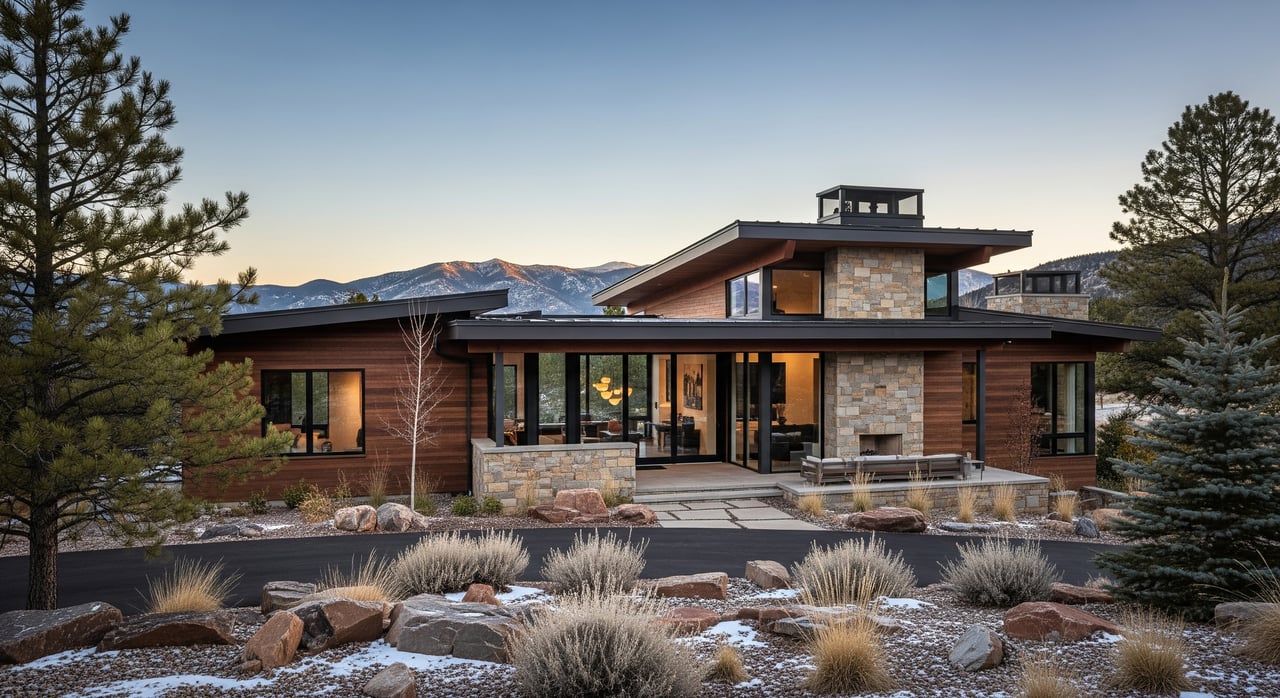
Conifer is an unincorporated community in Jefferson County, southwest of Denver and Evergreen. You’ll find a mix of older mountain subdivisions, custom builds, and larger wooded lots shaped by the terrain. Streets tend to wind with the hills, and many properties have notable elevation changes across the parcel.
People choose Conifer for quiet, trees, privacy, and outdoor access while staying within reach of the metro area. Local amenities are limited compared with the city, so you’ll plan a bit more for shopping and services. That tradeoff is part of the appeal if you want space and a slower pace without giving up access to Denver’s jobs and culture.
Conifer sits in the 8,000-plus foot elevation band. Thinner air means less oxygen, which can make you short of breath during exertion at first. Many newcomers notice quicker fatigue, mild headaches, or sleep changes. The general guidance is simple: hydrate well, take it easy the first couple of days, and talk to your doctor if you have cardiopulmonary conditions. For medical tips on prevention and symptoms, review the CDC’s guidance on travel and living at high altitude.
Weather is cooler here than on the plains, with stronger sun and bigger day-to-night swings. Winters bring meaningful snowfall that often sticks around longer than in Denver. Summers feel milder and less humid, though afternoon thunderstorms and occasional hail are part of the pattern. For localized forecasts and seasonal context, check the National Weather Service Denver/Boulder office.
What this means day to day:
US‑285 is your primary corridor to Denver and the south and southwest suburbs. Drive times vary with time of day and season. Non‑peak runs can be straightforward, but morning and evening peaks slow down as you approach the metro area. Winter weather, crashes, or lane closures can add time.
To manage the commute well:
Main arteries like US‑285 are state maintained, but many local or subdivision roads are county maintained or private. If you live on a private road, you and your neighbors typically coordinate snow removal and maintenance.
Expect limited grocery options in Conifer itself. Many residents plan larger shopping trips to nearby towns or into the metro area. In winter, stocking up before storms is common so you can ride out a day or two of heavy snowfall comfortably.
Conifer does not have a full‑service hospital. Routine care is typically handled by local clinics or urgent care in nearby communities, while emergency or specialty care usually means a drive to hospitals in Lakewood, Golden, or Denver. Response times and routing can vary by address, so it is wise to confirm the fire district, EMS coverage, and evacuation routes for your property through Jefferson County resources.
Conifer is served by Jefferson County Public Schools. Exact attendance boundaries, bus routes, and enrollment steps vary by address and year. Always verify the latest information directly with Jeffco Public Schools. Private and charter options exist across the metro area if you are exploring alternatives.
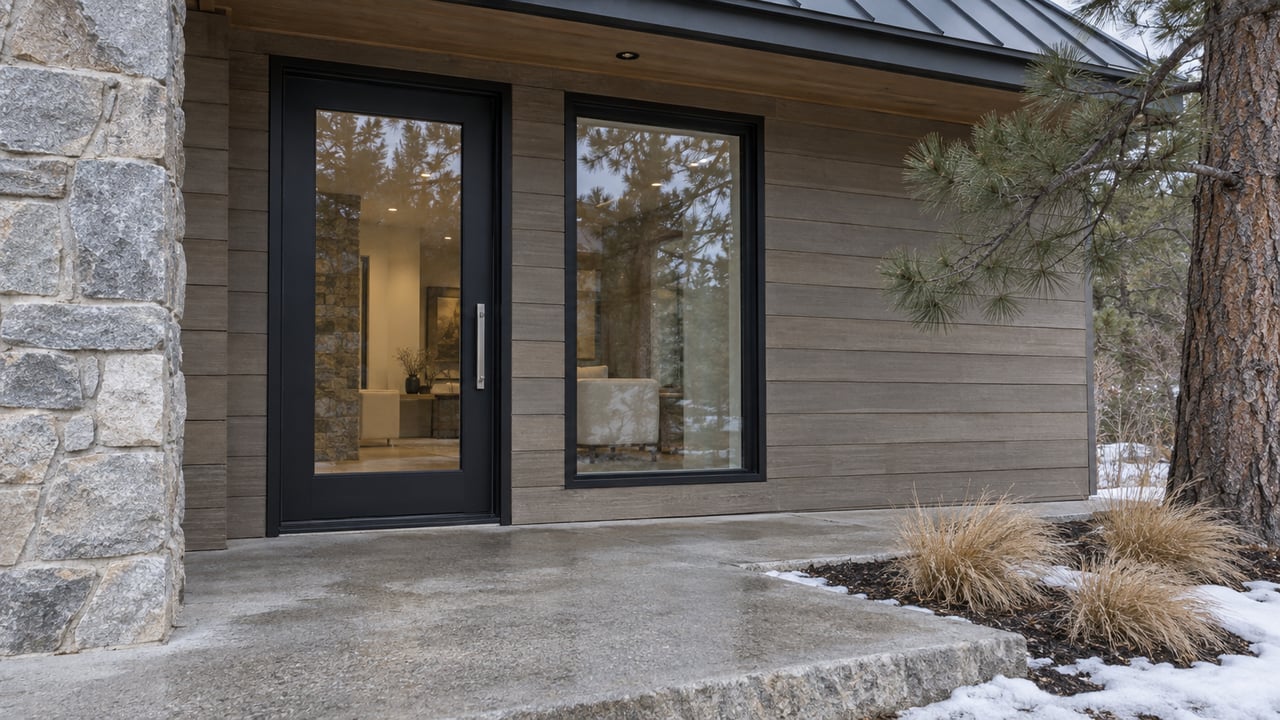
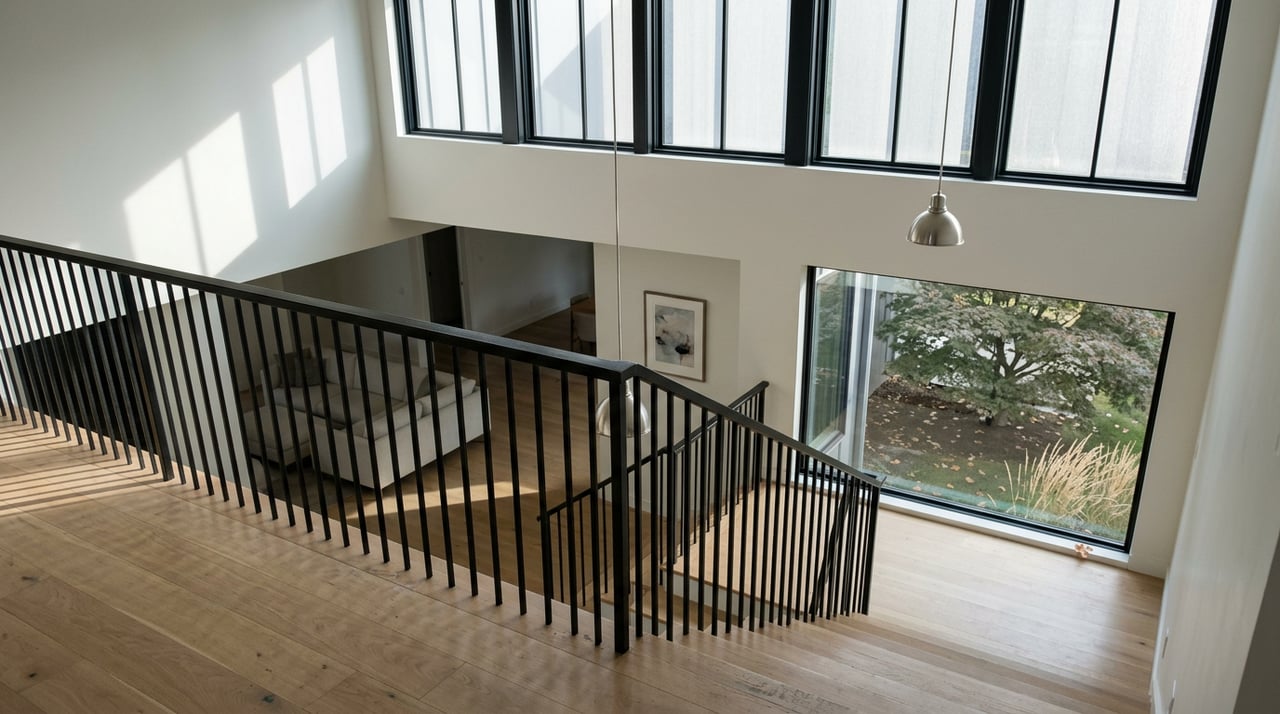
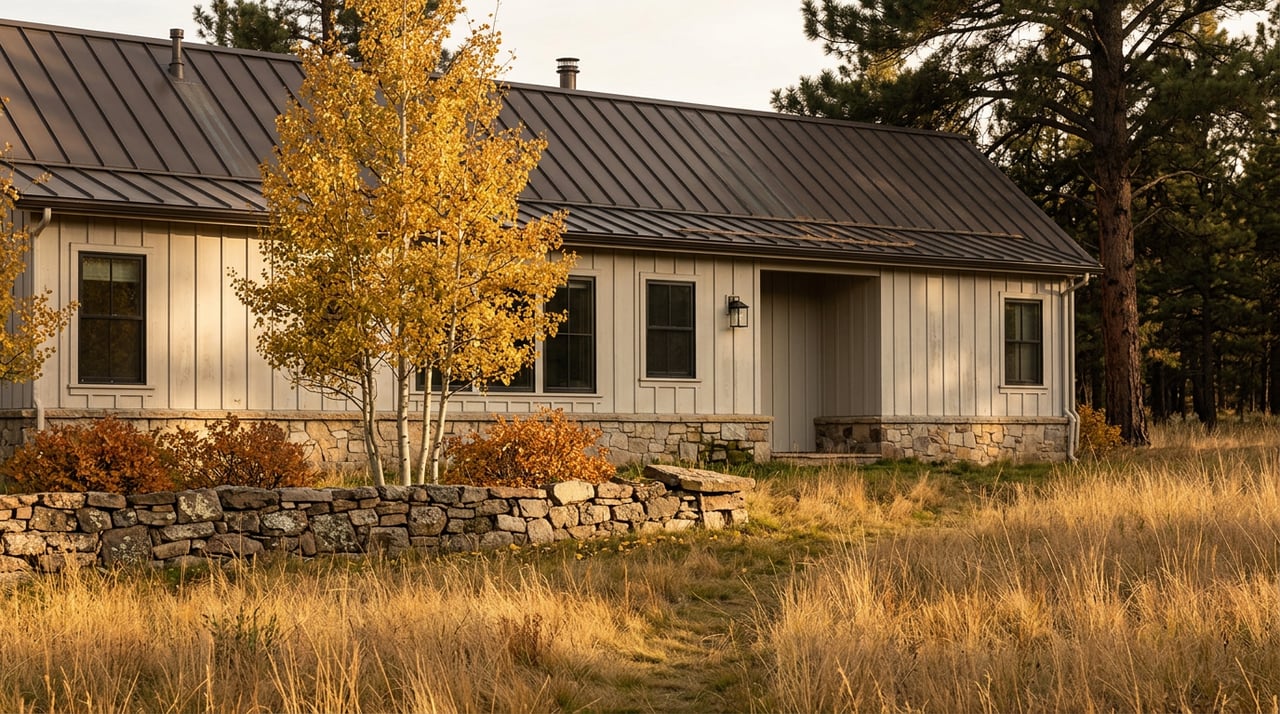
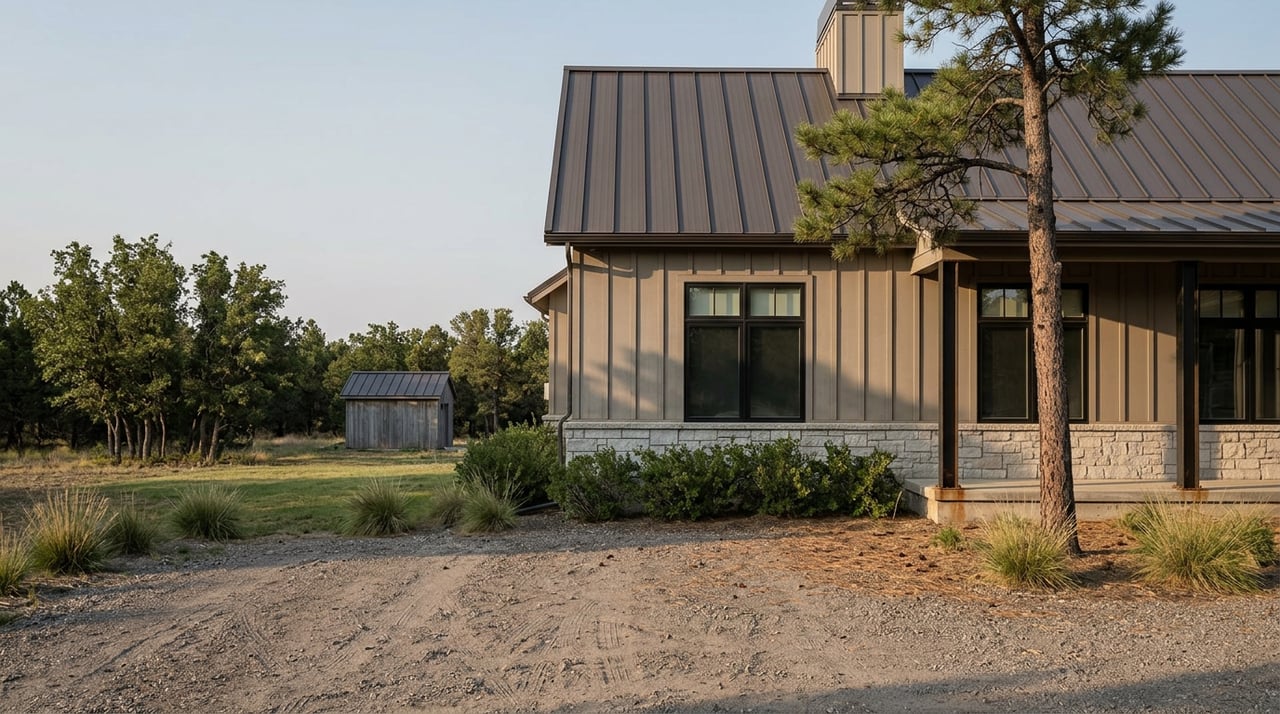
Homes in Conifer range from cabins to custom builds, often on sloped, treed lots with longer or steeper driveways. Construction typically accounts for snow, cold, and wind.
Features you’ll commonly see:
If you are buying, make sure your inspections and documentation go deeper than a standard city transaction. Priorities include well and water testing, septic inspection and pumping records, roof and attic evaluation, heating system capacity, electrical service and any generator hookups, driveway access and drainage, and wildfire‑resilient features.
Conifer sits within the wildland‑urban interface, which means homes meet forest. You can reduce wildfire risk by creating defensible space, choosing fire‑resistant materials where possible, and managing ladder fuels and dead trees. For current best practices and local programs, review the Colorado State Forest Service guidance.
Insurance in higher‑risk areas can cost more and underwriting can vary by carrier. Ask your agent to quote policies early, and document any mitigation work on the property. Beyond fire, heavy wet snow can stress roofs that are not built for it, and certain steep sites may have localized rockfall risks. Mountain drainages can also experience flash flooding or debris flows. You can check flood zones and order maps through the FEMA Flood Map Service Center.
Preparedness pays off in the foothills. Keep an emergency kit, extra water, and a backup heat source if possible. Plan for occasional power outages or blocked roads during severe weather, and review local evacuation routes as part of your household planning.
Ongoing costs in Conifer can differ from a suburban home. Common expenses include heating fuel, snow removal for long or steep drives, roof snow management in big storms, well and septic maintenance, and potentially higher homeowners insurance tied to wildfire exposure. Good insulation and proactive maintenance help control costs over time.
Here is a quick relocation checklist to guide your due diligence:
If you love the outdoors, you will feel at home here. You have quick access to hiking, mountain biking, snowshoeing, cross‑country skiing, hunting and fishing, and nearby state parks like Staunton for weekend adventures. Larger ski resorts are a drive away, while smaller day‑trip options such as Echo Mountain can be closer for a quick run.
Community life is active and practical. Local businesses serve residents’ daily needs, and volunteerism is strong, from fire districts to trail work. With a bit of planning, you can enjoy mountain quiet and privacy with convenient access to Denver’s jobs, culture, and airports when you need them.
Thinking about making Conifer your next move? If you want a guide who knows foothills homes, wells and septic, and the realities of US‑285 living, connect with Freadhoff Home Group. We’ll help you compare neighborhoods, understand property systems, and move with confidence.

Stay up to date on the latest real estate trends.